The Power of the Masses in the Era of the "Politics of Cruelty"; Media, Instrumentalized Reaction, and the Impossibilities of Resistance
In weeks that, in the author's words, "have condensed decades within themselves," Mohammad Hajinia, in a long article on the website *Critique of Political Economy*, tackles one of the most contentious questions in Iran today: Why is Pahlavi-centric royalism surging while the left is marginalized, and what is the media doing—or failing to do—in the middle of it all?
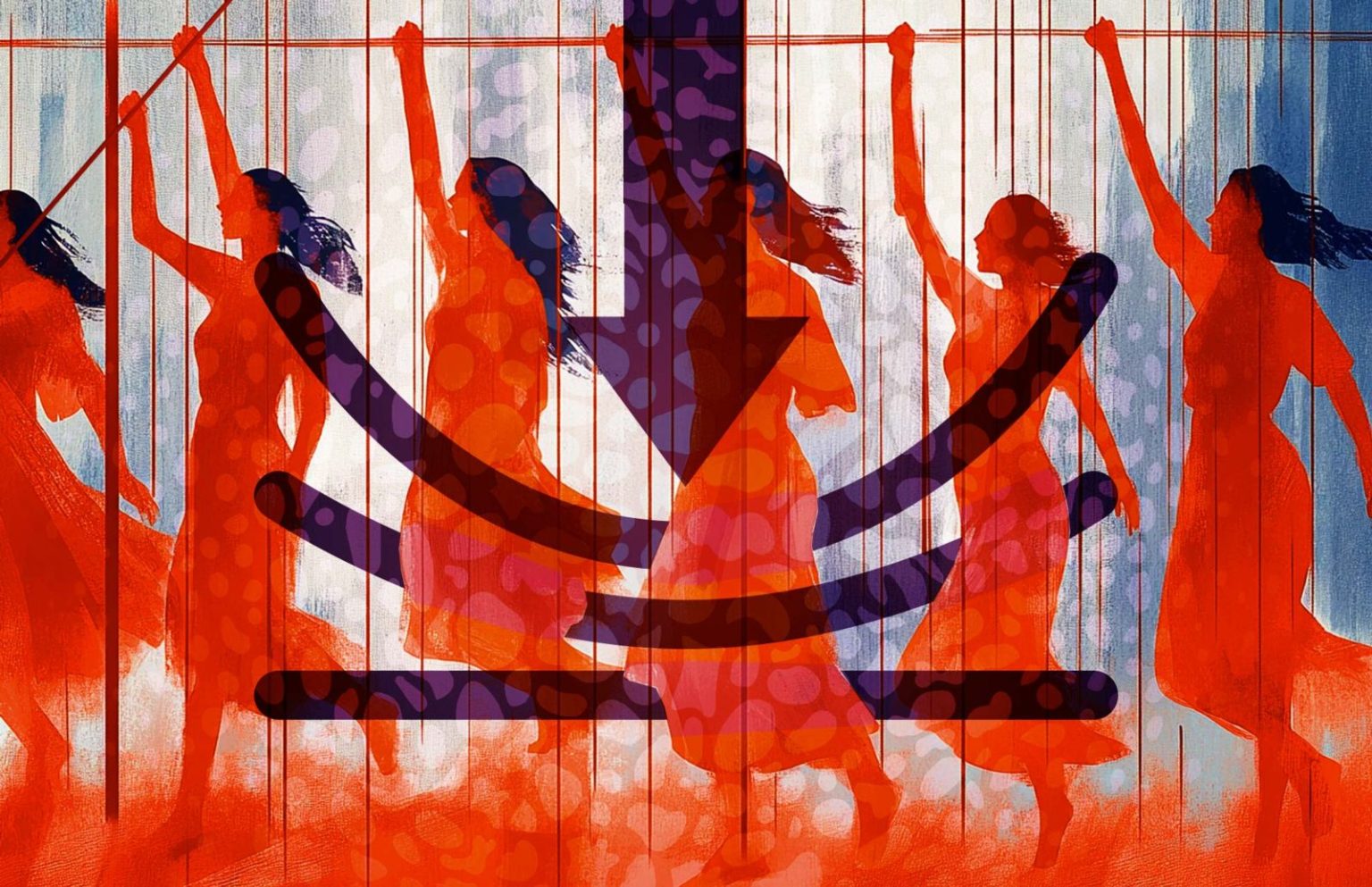
In weeks that, in the author's words, "have condensed decades within themselves," Mohammad Hajinia, in a long article on the website *Critique of Political Economy*, tackles one of the most contentious questions in Iran today: Why is Pahlavi-centric royalism surging while the left is marginalized, and what is the media doing—or failing to do—in the middle of it all?
Instead of repeating the oversimplified narrative that "everything is the media's fault," Hajinia challenges this instrumentalist view: he argues that reducing complex economic, political, and ideological developments to "media propaganda" makes it impossible to understand reality or intervene effectively. He reminds us that royalists and "chauvinistic" nationalists have had platforms for years and that "saber-rattling in virtual reality" is nothing new to them, yet they had never reached the current level of social influence until now. Therefore, the media is a condition of possibility, not a sufficient cause.
At the heart of the article's argument is a critique of a conception of politics that reduces power to "possessing tools and techniques": they are powerful because they have the media, techniques, and apparatuses; we are powerless because we lack these tools. Hajinia demonstrates that this logic performs two tasks simultaneously: on the one hand, it drives the masses toward alliances and bargaining with various factions of the ruling class; on the other hand, by translating the objective power gap (access to tools) into an internal feeling of "powerlessness," it naturalizes despair and makes alternatives seem impossible.
Drawing on Étienne Balibar, Althusser, and others, he formulates the ruling class's key mechanism as "turning the fear of the people into the people's fear": from concealing violence, to displaying the power of repression, to the naked execution of cruelty, all serve to reinforce the idea that the masses have no effective tools at their disposal and therefore "can do nothing." In such a situation, the "instrumentalized" reaction that has not yet seized the state plays—as a reactionary alternative to the reaction currently holding the state—on the very terrain that has preemptively been stripped from the masses: the terrain of collective power.
Against this instrumentalist framework, Hajinia emphasizes the qualitative distinction between two types of political practice: the practice of the dominant class, which relies on the "state machine," ideological apparatuses, and habit, and does not even need correct ideas to reproduce its power; and the practice of the dominated classes, who have no other weapons than their "own hands," "ideas," and the "power of argument," and are forced to produce and correct their weapons and concepts in the course of struggle. In this horizon, correct theory and a precise political line are not intellectual luxuries, but rather the conditions of possibility for any form of emancipatory organization.
The author then turns to Lenin and Gramsci to redefine the position of the media in relation to organization and theory: for Lenin, the newspaper (and the media in general) is not merely a "propaganda tool" to win over vague public opinion, but a "collective organizer" that gathers the "sparks of struggle" and turns them into a "single flame"; the media acts as the thread that makes building the great edifice of political organization around a specific theoretical line possible. Gramsci, using the concepts of hegemony and the "war of position," also shows that cultural hegemony is fundamentally political and cannot be achieved without organization and an "intellectual and moral reform" emerging from a coherent line; nevertheless, this dissemination cannot take place through a single channel or in a single form.
Out of this discussion emerges the article's key proposition: the primacy of the "what" over the "how," the primacy of orientation and political line over tools and organization. Referring to the Althusserian reading of *What Is to Be Done?*, Hajinia shows that if we formulate the question as "What is to be done to help orient and organize the class struggle?", it then becomes clear that the party, the media, and the tools must be built based on the political line, and not vice versa; highly advanced tools, without a correct orientation, are merely a faster medium for defeat.
In conclusion, the article understands the "politics of cruelty" in connection with the economics of despair and the engineering of horizons: extreme coercion, the display or concealment of violence, the severing of the future horizon, and the detachment of the "maximum program" from "minimum demands" all function to produce the outcome that resistance is impossible, and the choice is limited to the two poles of instrumentalized reaction. Referring to Gaston Bachelard, Hajinia calls immediate data and raw "facts" not witnesses, but "accused," reminding us that seeing the possibilities of resistance in these very moments is impossible without grasping theory and the history of class struggle.
The text's ending, referencing Karl Liebknecht's famous note, "Despite Everything," emphasizes that for the left, amidst "the slaughter of those two nights and the genocide of those two years," the only ethically and politically defensible alternative is resistance—a resistance which, if reduced to the justification of seeking refuge behind one of the two reactions, will deprive future generations of the "language of struggle and the speech of resistance" forged through the blood of over a century of battle, from the Constitutional Revolution and 1979 to the present day. In the horizon of this text, neither defeat is predestined nor victory guaranteed; what is inevitable is the necessity of organizing the power of the masses around a political line that extracts the possibilities of resistance from beneath the rubble of the "politics of cruelty."
If this report was provocative or troubling to you, it is suggested that, to fully grasp the arguments, theoretical references, and linguistic nuances, you read the complete article entitled "Media, the 'Politics' of Cruelty, and the (Im)possibilities of Resistance" by Mohammad Hajinia on the "Critique of Political Economy" website.
Related articles
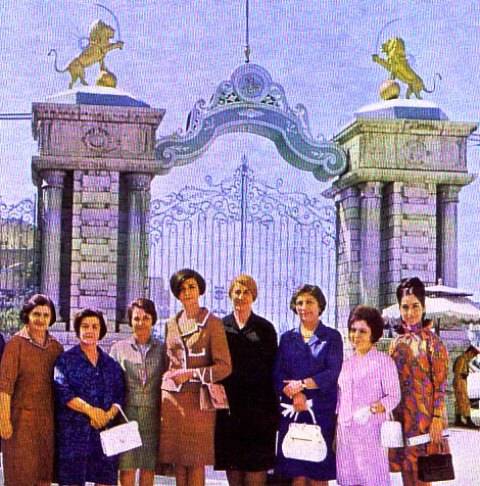
Returning to the Past in the Collective Iranian Mind
In this note, Arvin Pouyan analyzes the phenomenon of "returning to the past" as a sign of a deep crisis in the political imagination of Iranian society. He argues that the widespread inclination toward so-called "golden" eras—from ancient Iran to the nostalgic reconstruction of the Pahlavi period or early Islam—is not merely an ideological preference, but is rooted in accumulated experiences of defeat, instability, and the blockage of future horizons.
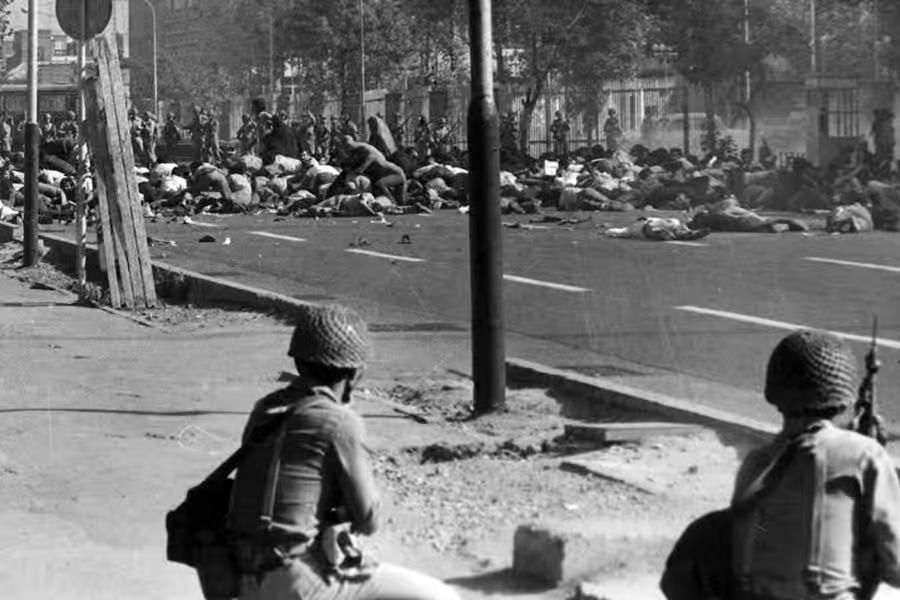
انقلاب واپسگرا، افسانه انقلاب دزدیدهشده و خطر اقتدارگرایی نو: بازخوانی مهرداد درویشپور از انقلاب ۵۷
در این مقاله، مهرداد درویشپور با تکیه بر بازنشر متنی تحلیلی از ۳۹ سال پیش، از نو به انقلاب ۵۷ مینگرد تا نشان دهد فهم امروزِ بنبست جمهوری اسلامی بدون نقد خود منطق پوپولیستی و اقتدارگرایانهی آن انقلاب ممکن نیست. او با رد دو روایت مسلط – یکی نوستالژی سلطنت و مقصر دانستن یکپارچه «نسل ۵۷»، و دیگری افسانه «انقلاب شکوهمند دزدیدهشده» – بر روایت سومی پای میفشارد که همزمان با مخالفت از همان آغاز با پروژه حکومت دینی، نقد ریشههای اقتدارگرایی را در خود متن انقلاب جستوجو میکند.
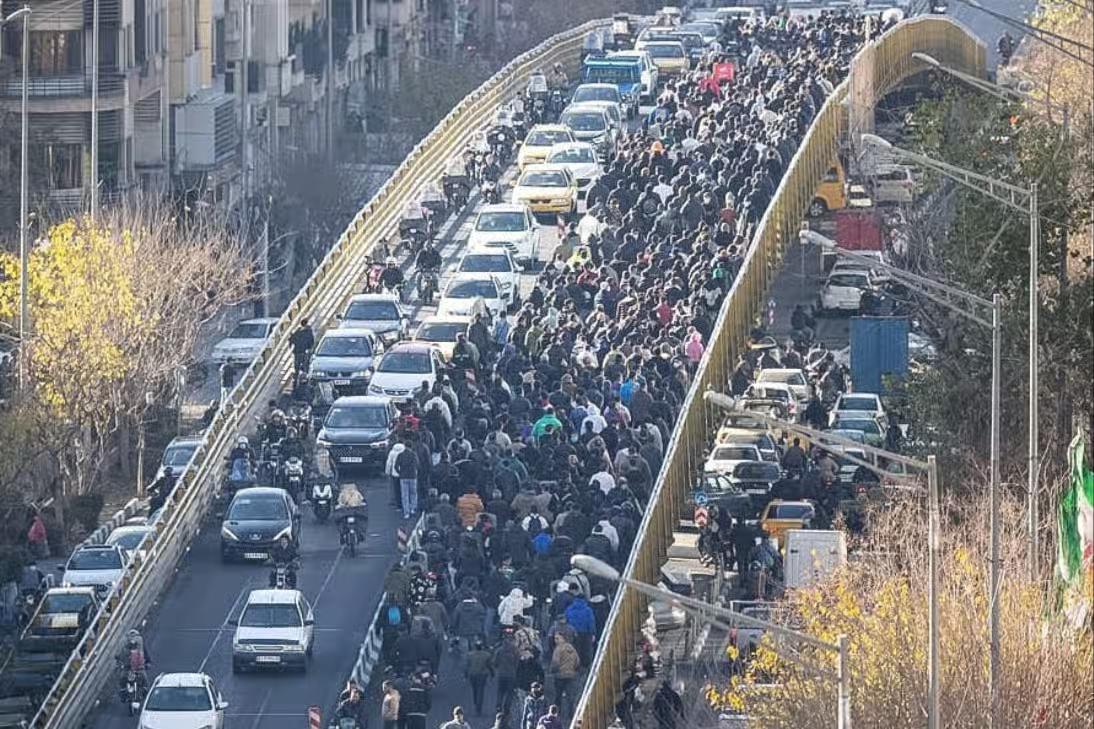
میان انسداد و فرصت: نیکفر از بنبست نظام تا امکان رهایی چه میگوید؟
در این یادداشت تحلیلی در رادیو زمانه، محمدرضا نیکفر وضعیت امروز جمهوری اسلامی و جامعه ایران را با دو مفهوم محوری «انسداد» و «فرصت» صورتبندی میکند و میکوشد نشان دهد چگونه یک خیزش میتواند یا به گشایش رهاییبخش بدل شود یا به فاجعهای فرصتسوز.