Returning to the Past in the Collective Iranian Mind
In this note, Arvin Pouyan analyzes the phenomenon of "returning to the past" as a sign of a deep crisis in the political imagination of Iranian society. He argues that the widespread inclination toward so-called "golden" eras—from ancient Iran to the nostalgic reconstruction of the Pahlavi period or early Islam—is not merely an ideological preference, but is rooted in accumulated experiences of defeat, instability, and the blockage of future horizons.
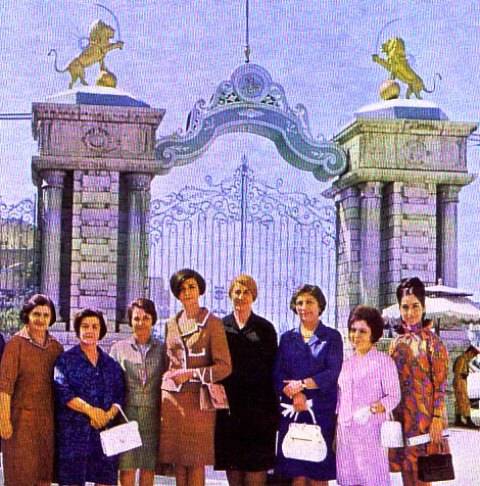
In this note, Arvin Pouyan analyzes the phenomenon of "returning to the past" as a sign of a deep crisis in the political imagination of Iranian society. He argues that the widespread inclination toward so-called "golden" eras—from ancient Iran to the nostalgic reconstruction of the Pahlavi period or early Islam—is not merely an ideological preference, but is rooted in accumulated experiences of defeat, instability, and the blockage of future horizons. As the text puts it, this situation is exacerbated when society, in the absence of stable institutions and reliable prospects, reconstructs the past as a psychological sanctuary.
Drawing on social psychology approaches and the concept of collective trauma, Pouyan shows how chronic economic and political crises lead to the suspension of collective agency. Under such conditions, returning to the past is not only a form of symbolic relief, but a mechanism for escaping the responsibility of building the future. As stated in the text:
“A society that sees salvation in ‘yesterday’ becomes incapable of designing ‘tomorrow’.”
This quote reveals the critical core of the article: nostalgia, unless transformed into historical critique, leads to a cycle of repetition.
In conclusion, the author sees the way out not in denying the past, but in critically engaging with it. He emphasizes that the main issue is not evaluating whether the past was good or bad, but understanding the psychological and political need for it. Transitioning from the "sovereignty of the individual" to a "system of reason," strengthening accountable institutions and pluralistic media, and moving beyond person-centrism are introduced as prerequisites for transforming a "passive subject" into an "active citizen." In this framework, the reconstruction of the future is possible only through institution-building and the recovery of collective agency.
Related articles
The Power of the Masses in the Era of the "Politics of Cruelty"; Media, Instrumentalized Reaction, and the Impossibilities of Resistance
In weeks that, in the author's words, "have condensed decades within themselves," Mohammad Hajinia, in a long article on the website *Critique of Political Economy*, tackles one of the most contentious questions in Iran today: Why is Pahlavi-centric royalism surging while the left is marginalized, and what is the media doing—or failing to do—in the middle of it all?
انقلاب واپسگرا، افسانه انقلاب دزدیدهشده و خطر اقتدارگرایی نو: بازخوانی مهرداد درویشپور از انقلاب ۵۷
در این مقاله، مهرداد درویشپور با تکیه بر بازنشر متنی تحلیلی از ۳۹ سال پیش، از نو به انقلاب ۵۷ مینگرد تا نشان دهد فهم امروزِ بنبست جمهوری اسلامی بدون نقد خود منطق پوپولیستی و اقتدارگرایانهی آن انقلاب ممکن نیست. او با رد دو روایت مسلط – یکی نوستالژی سلطنت و مقصر دانستن یکپارچه «نسل ۵۷»، و دیگری افسانه «انقلاب شکوهمند دزدیدهشده» – بر روایت سومی پای میفشارد که همزمان با مخالفت از همان آغاز با پروژه حکومت دینی، نقد ریشههای اقتدارگرایی را در خود متن انقلاب جستوجو میکند.
میان انسداد و فرصت: نیکفر از بنبست نظام تا امکان رهایی چه میگوید؟
در این یادداشت تحلیلی در رادیو زمانه، محمدرضا نیکفر وضعیت امروز جمهوری اسلامی و جامعه ایران را با دو مفهوم محوری «انسداد» و «فرصت» صورتبندی میکند و میکوشد نشان دهد چگونه یک خیزش میتواند یا به گشایش رهاییبخش بدل شود یا به فاجعهای فرصتسوز.