Woman, Life, Freedom
A political party in formation, with a program for a democratic, developed, and plural Iran.
Pillars
Eight Pillars of the Party
The intellectual and practical foundations of Iranians for Progress.
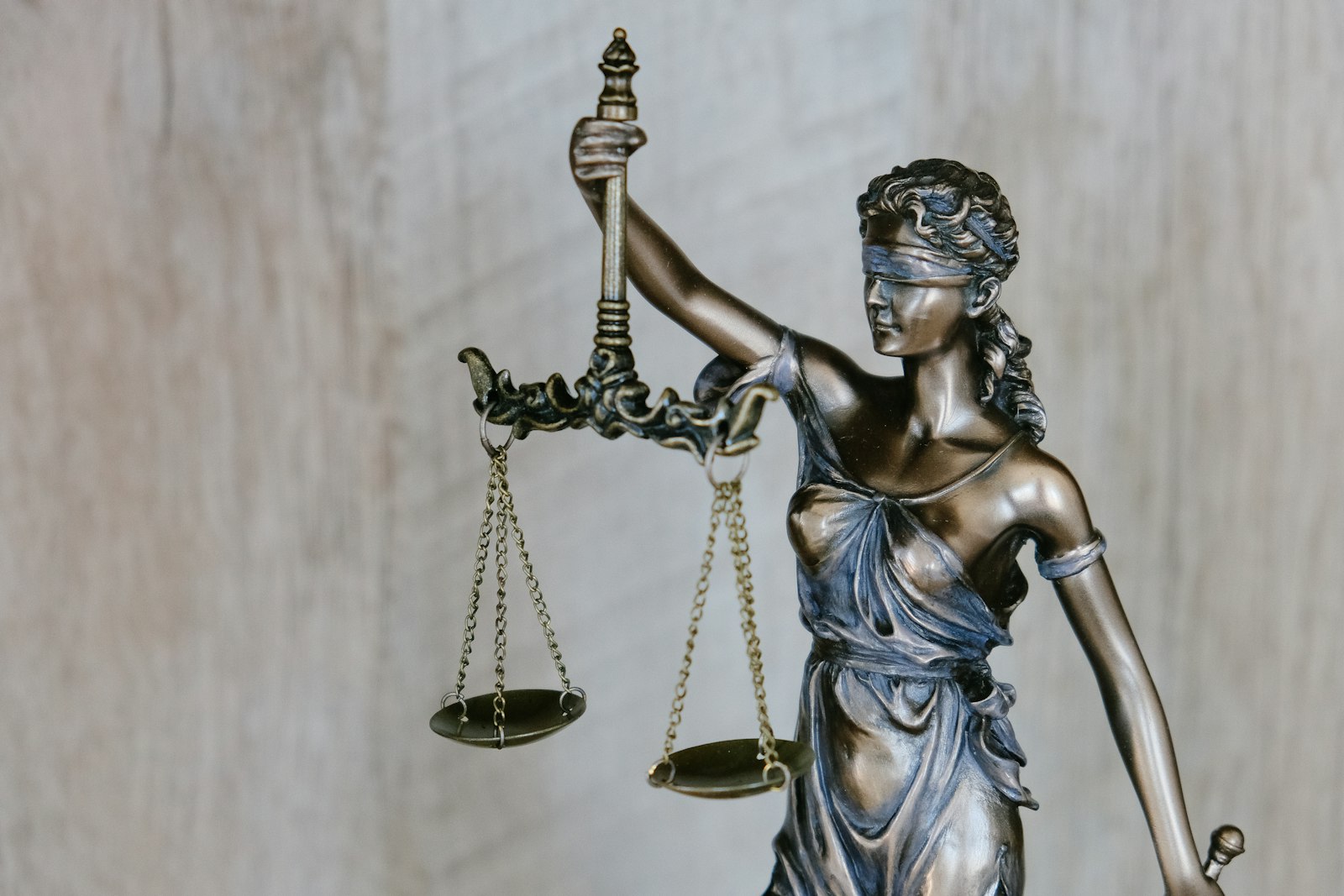 Rule of Law
Democratic institutions, constitutional rights and equal citizenship for all Iranians.
 Sustainable Development
Inclusive economic growth, social justice and environmental stewardship.
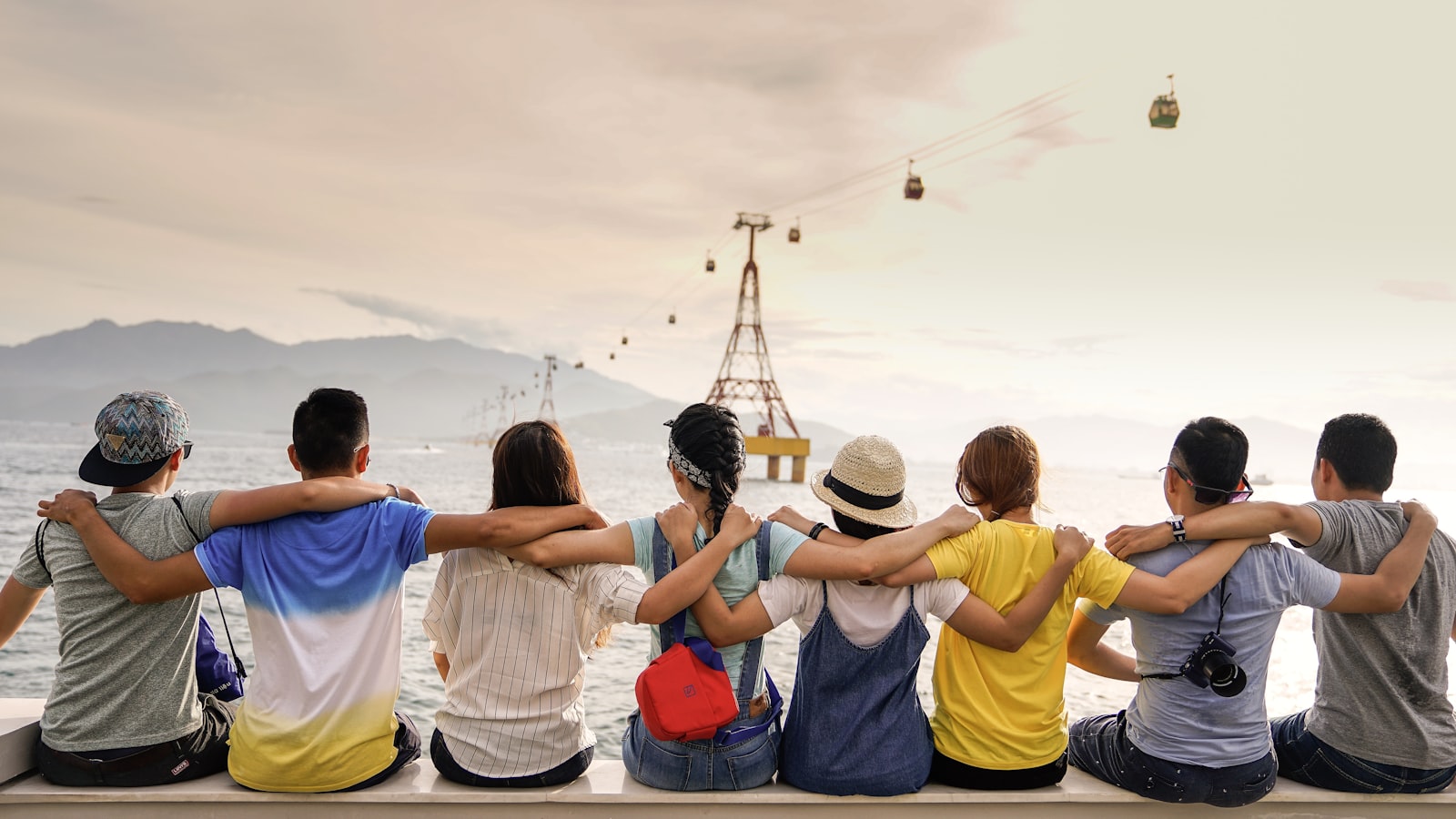 Plural Identity
Cultural, linguistic and ethnic diversity as a source of national strength.
 Full Transparency
Open governance, accountability and citizen participation at every level.
 Social Justice
Fair distribution of opportunity, wealth, and power across society
 Productive Economy
Industry, innovation, and entrepreneurship in service of public welfare
 Environment
Protection of natural resources and intergenerational justice
 Regional Solidarity
Respectful relations with neighbors and constructive participation in world order
From the newsroom
All articles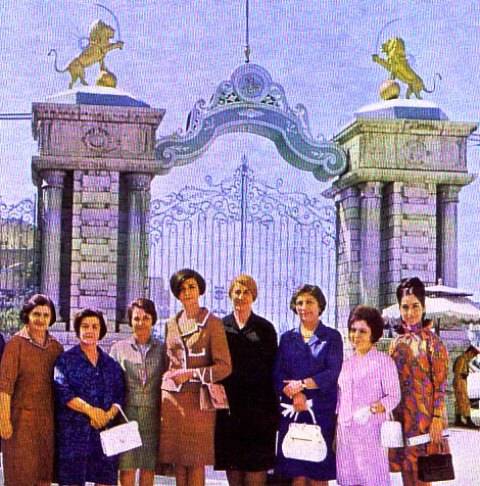
Returning to the Past in the Collective Iranian Mind
In this note, Arvin Pouyan analyzes the phenomenon of "returning to the past" as a sign of a deep crisis in the political imagination of Iranian society. He argues that the widespread inclination toward so-called "golden" eras—from ancient Iran to the nostalgic reconstruction of the Pahlavi period or early Islam—is not merely an ideological preference, but is rooted in accumulated experiences of defeat, instability, and the blockage of future horizons.
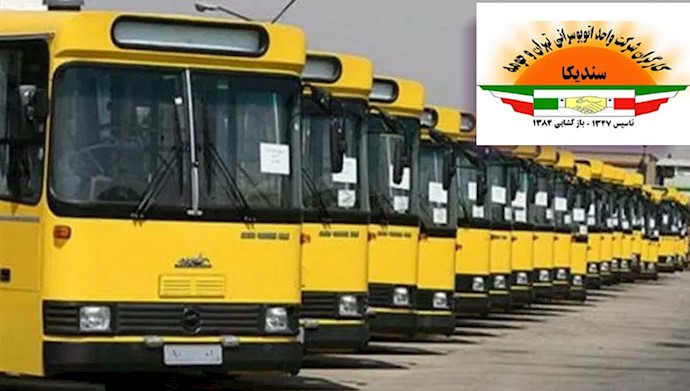
Statement of the Syndicate of Workers of the Tehran and Suburbs Bus Company
In these critical, tense, volatile, and anxiety-ridden conditions, the lives and well-being of all of us must be at the center of attention above all else. For us, who grapple daily with repression, tyranny, meager wages, runaway inflation, job insecurity, and economic pressures, any political, economic, or military crisis is first and foremost a direct threat to the security, livelihood, and future of our children across the country. Read more in the post!
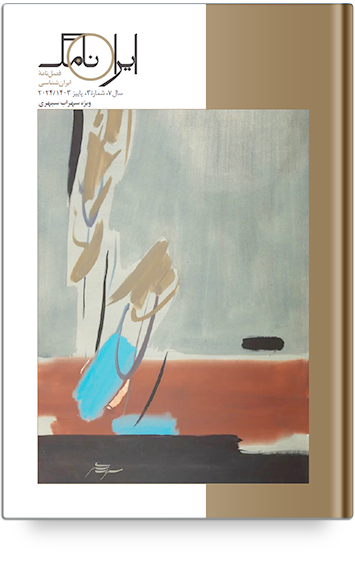
Iranian Leftist Intellectualism and the Issue of Democracy
Main abstract of the article “From the emergence of Iranian leftist intellectualism in the 19th century to the present day, those who define themselves in one way or another as part of this family have also been active agents in the social and political life of our society. Returning to the Sartrean definition of the “committed intellectual,” this group is a social exemplification. […]
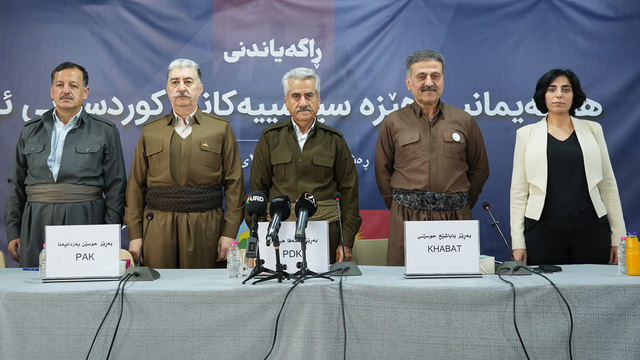
Warning from Iranian Kurdistan Parties to Reza Pahlavi; Rejection of Military Threat and Call for Coalition Against Totalitarian Discourse
A coalition of political parties and movements from Iranian Kurdistan published a statement strongly condemning Reza Pahlavi's recent remarks regarding "separatism" and his threat to use the army against the Kurdish movement, calling it a sign of a security-driven approach and the continuation of a tradition of repression in his envisioned future Iran.
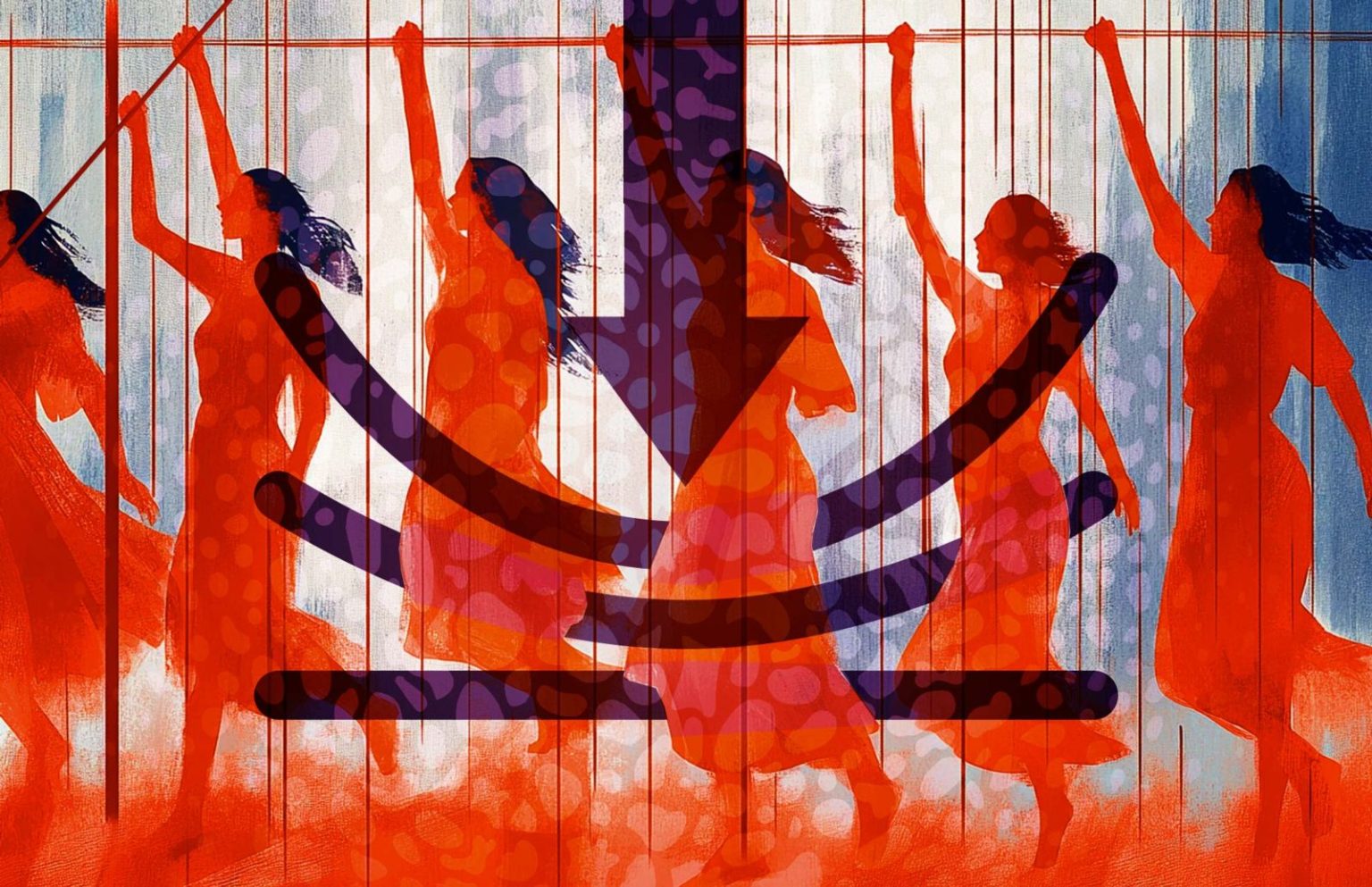
The Power of the Masses in the Era of the "Politics of Cruelty"; Media, Instrumentalized Reaction, and the Impossibilities of Resistance
In weeks that, in the author's words, "have condensed decades within themselves," Mohammad Hajinia, in a long article on the website *Critique of Political Economy*, tackles one of the most contentious questions in Iran today: Why is Pahlavi-centric royalism surging while the left is marginalized, and what is the media doing—or failing to do—in the middle of it all?

The Draft of Despotism, This Time Without a Turban
Two narratives stand on opposite sides of a political divide, yet when you look in the mirror, they reflect the same face: both view history not as an arena of pluralistic forces, but as a field for the exclusive appropriation of agency. Both rewrite yesterday's history so as to pre-emptively seize tomorrow's power. Both share a single logic: the logic of appropriating history to appropriate power. Read the rest of the note.
Light up your node.
The network grows stronger with you. Joining takes less than a minute — no password, no personal data.
Join