Newsroom
Long-form pieces from chapter leaders and editors.
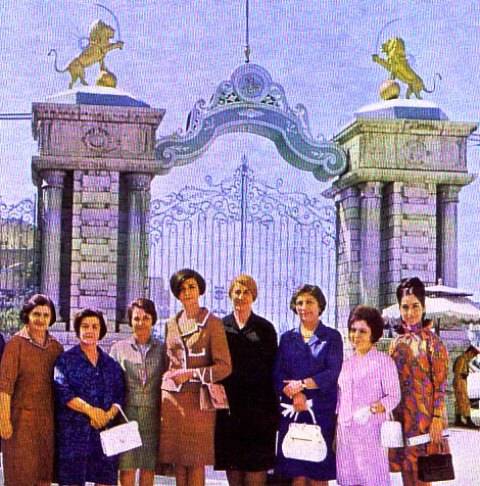
Returning to the Past in the Collective Iranian Mind
In this note, Arvin Pouyan analyzes the phenomenon of "returning to the past" as a sign of a deep crisis in the political imagination of Iranian society. He argues that the widespread inclination toward so-called "golden" eras—from ancient Iran to the nostalgic reconstruction of the Pahlavi period or early Islam—is not merely an ideological preference, but is rooted in accumulated experiences of defeat, instability, and the blockage of future horizons.
Statement of the Syndicate of Workers of the Tehran and Suburbs Bus Company
In these critical, tense, volatile, and anxiety-ridden conditions, the lives and well-being of all of us must be at the center of attention above all else. For us, who grapple daily with repression, tyranny, meager wages, runaway inflation, job insecurity, and economic pressures, any political, economic, or military crisis is first and foremost a direct threat to the security, livelihood, and future of our children across the country. Read more in the post!
Iranian Leftist Intellectualism and the Issue of Democracy
Main abstract of the article “From the emergence of Iranian leftist intellectualism in the 19th century to the present day, those who define themselves in one way or another as part of this family have also been active agents in the social and political life of our society. Returning to the Sartrean definition of the “committed intellectual,” this group is a social exemplification. […]
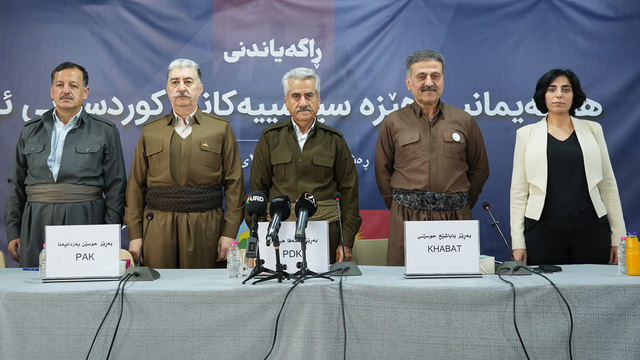
Warning from Iranian Kurdistan Parties to Reza Pahlavi; Rejection of Military Threat and Call for Coalition Against Totalitarian Discourse
A coalition of political parties and movements from Iranian Kurdistan published a statement strongly condemning Reza Pahlavi's recent remarks regarding "separatism" and his threat to use the army against the Kurdish movement, calling it a sign of a security-driven approach and the continuation of a tradition of repression in his envisioned future Iran.
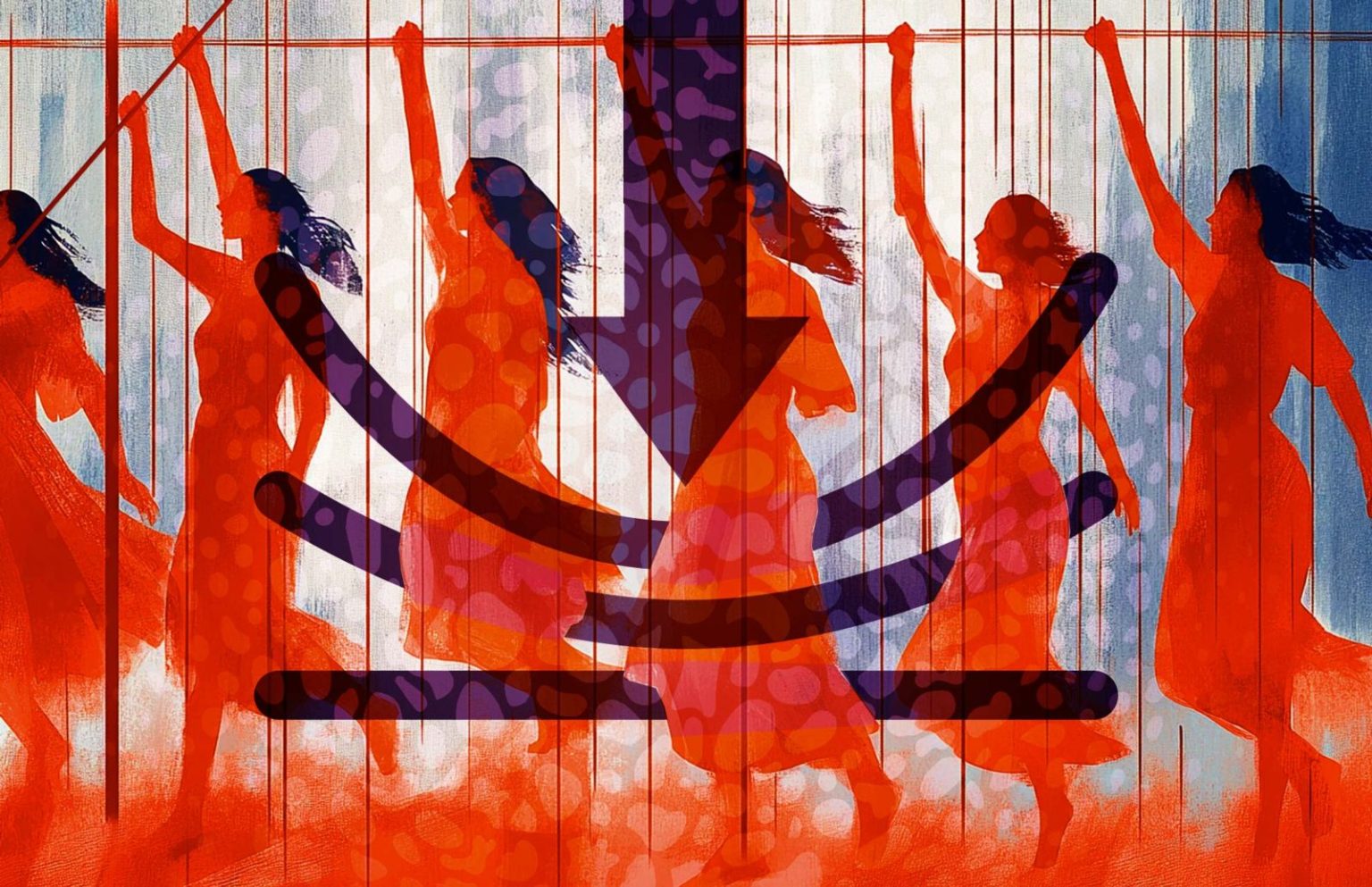
The Power of the Masses in the Era of the "Politics of Cruelty"; Media, Instrumentalized Reaction, and the Impossibilities of Resistance
In weeks that, in the author's words, "have condensed decades within themselves," Mohammad Hajinia, in a long article on the website *Critique of Political Economy*, tackles one of the most contentious questions in Iran today: Why is Pahlavi-centric royalism surging while the left is marginalized, and what is the media doing—or failing to do—in the middle of it all?

The Draft of Despotism, This Time Without a Turban
Two narratives stand on opposite sides of a political divide, yet when you look in the mirror, they reflect the same face: both view history not as an arena of pluralistic forces, but as a field for the exclusive appropriation of agency. Both rewrite yesterday's history so as to pre-emptively seize tomorrow's power. Both share a single logic: the logic of appropriating history to appropriate power. Read the rest of the note.
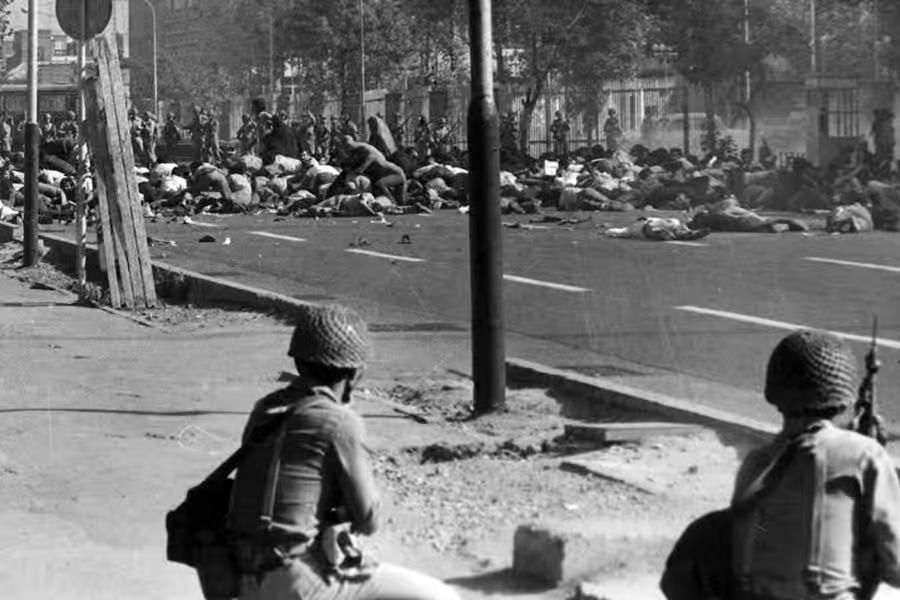
انقلاب واپسگرا، افسانه انقلاب دزدیدهشده و خطر اقتدارگرایی نو: بازخوانی مهرداد درویشپور از انقلاب ۵۷
در این مقاله، مهرداد درویشپور با تکیه بر بازنشر متنی تحلیلی از ۳۹ سال پیش، از نو به انقلاب ۵۷ مینگرد تا نشان دهد فهم امروزِ بنبست جمهوری اسلامی بدون نقد خود منطق پوپولیستی و اقتدارگرایانهی آن انقلاب ممکن نیست. او با رد دو روایت مسلط – یکی نوستالژی سلطنت و مقصر دانستن یکپارچه «نسل ۵۷»، و دیگری افسانه «انقلاب شکوهمند دزدیدهشده» – بر روایت سومی پای میفشارد که همزمان با مخالفت از همان آغاز با پروژه حکومت دینی، نقد ریشههای اقتدارگرایی را در خود متن انقلاب جستوجو میکند.
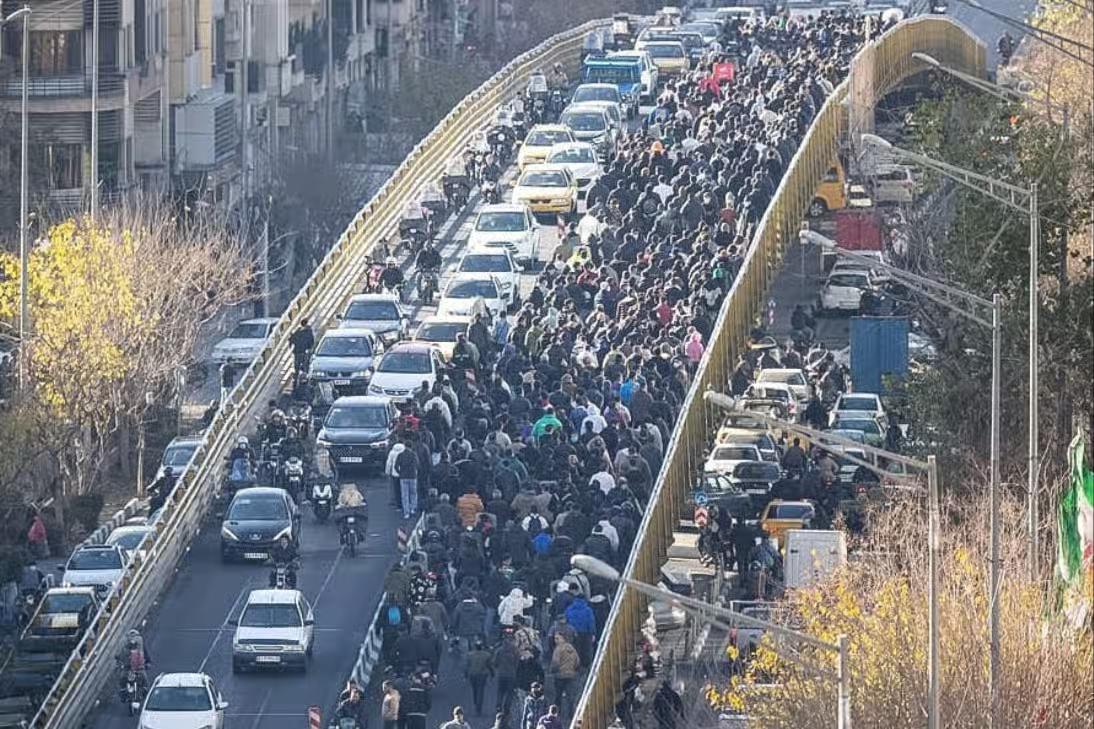
میان انسداد و فرصت: نیکفر از بنبست نظام تا امکان رهایی چه میگوید؟
در این یادداشت تحلیلی در رادیو زمانه، محمدرضا نیکفر وضعیت امروز جمهوری اسلامی و جامعه ایران را با دو مفهوم محوری «انسداد» و «فرصت» صورتبندی میکند و میکوشد نشان دهد چگونه یک خیزش میتواند یا به گشایش رهاییبخش بدل شود یا به فاجعهای فرصتسوز.
If the People Do Not Want Freedom: From "Fear of the People" to the Politics of Care
While critiquing monarchist and conservative notions of transition, this essay addresses left-wing and republican forces concerned about the generalization of reactionary demands. It discusses the necessity of engaging in a politics of care as an alternative to stereotypical notions of mass enlightenment.
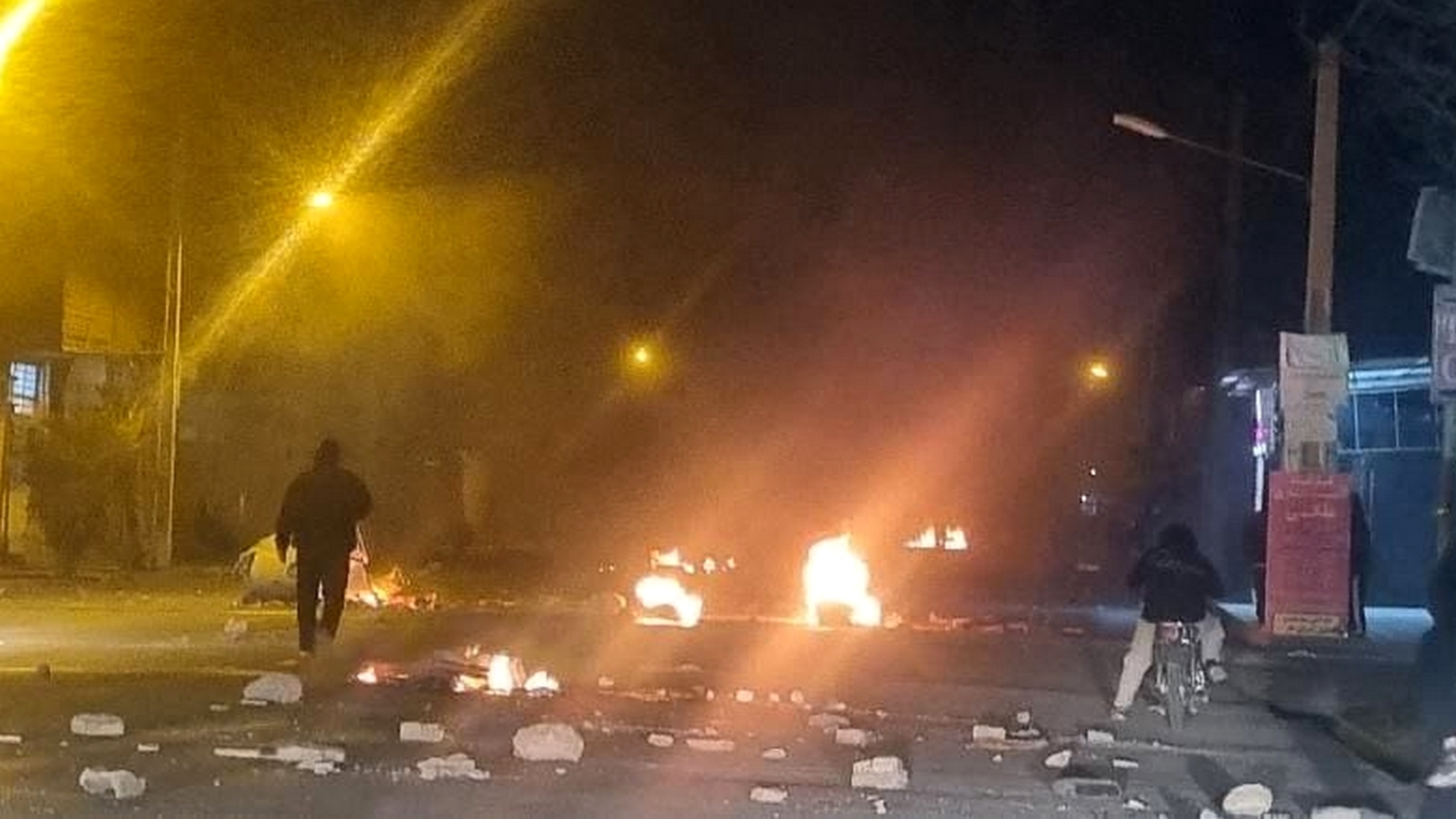
“January 2026: The Uprising, Pahlavi-ism, and the Danger of Regime Change from Above”
In a note on its official website titled “The 2026 Uprising: Half a Step Forward, Two Steps Back,” the Labor Organization Action Committee analyzes the January 2026 uprising in the continuity of December 2017, November 2019, and “Woman, Life, Freedom,” describing it as a wave that has simultaneously deepened street radicalism and made the space more fertile for reactionary projects such as Pahlavi-ism and imperialist regime change.
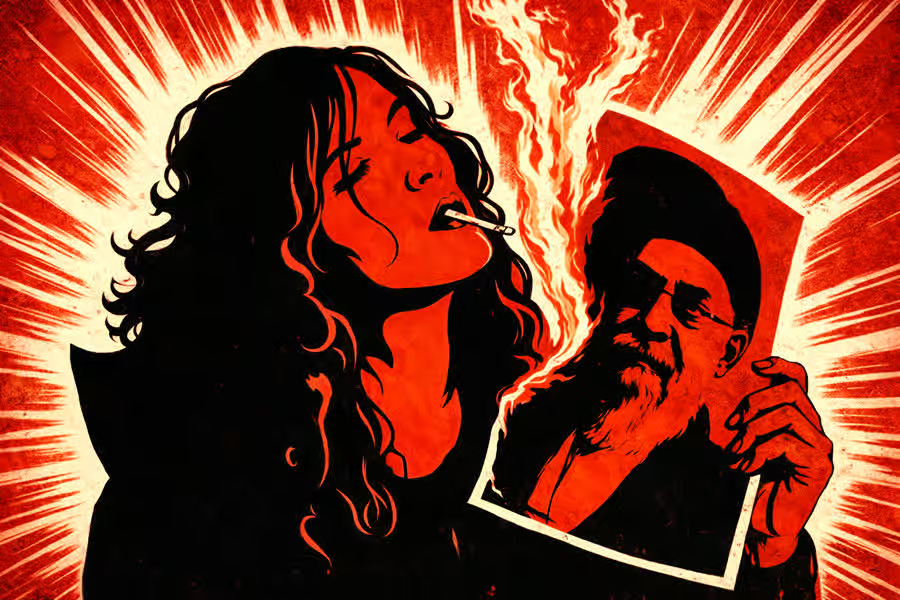
From the 1979 Revolution to Today's Deadlock: An Analytical Look at the Erosion of Power in the Islamic Republic of Iran
Five decades after the 1979 revolution, the erosion of legitimacy, efficiency, and the capacity to reproduce social consensus has left the Islamic Republic facing a kind of structural paralysis. In this article, Shahriar Sanaei shows how a rapidly transforming society has come face to face with a government stuck in the language and logic of the revolution's early decades. In this […]

Anisha Asadollahi, Labor Activist, Released from Prison
Anisha Asadollahi, a teacher, translator, and trade union and labor activist, was released from Evin Prison on Friday, February 20, after completing her three-year prison sentence without even a single day of furlough.
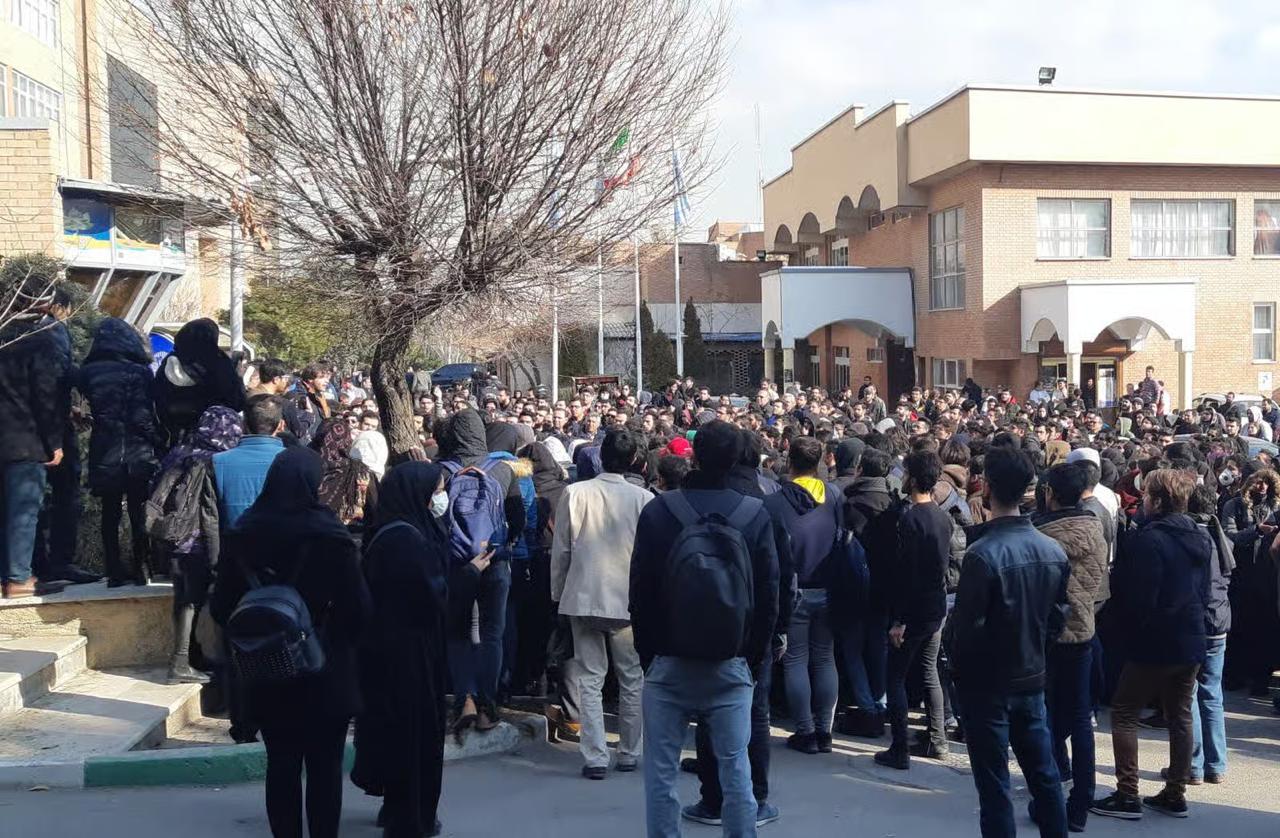
Republican Students of Iran's Top Universities: The University is Alive, Hope for a Democratic Republic is Alive
In a statement commemorating the fortieth day of the bloody crackdown in January 2026, a group of republican students and alumni from Shahid Beheshti, Allameh Tabatabai, Tehran, and several other Iranian universities honored the victims of the protests and held the regime directly responsible for the organized violence, which responded to civil protests with bullets, killings, and mass arrests.